

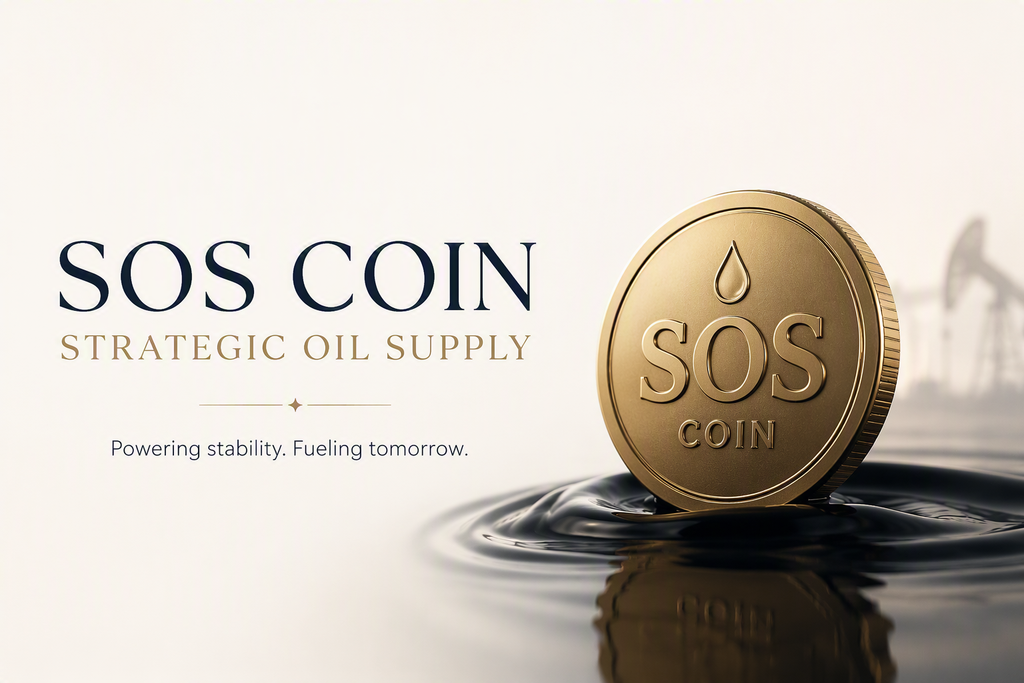
The intersection of physical commodities and decentralized ledger technology represents one of the most complex frontiers in Web3. While tokenizing gold or real estate has established clear frameworks, energy assets present unique structural challenges. The emergence of the Real World Asset (RWA) tokenization paradigm has brought projects like the Strategic Oil Supply (SOS) coin into the spotlight. However, mapping the volatile, geopolitically sensitive global oil market onto a blockchain protocol requires a deep understanding of custody, liquidity, and regulatory compliance.
The Mechanics of Energy-Backed Tokens
To understand the utility of the strategic oil supply coin, one must first look at the mechanism of asset backing. Unlike fiat-pegged stablecoins that rely on highly liquid treasury bills, or gold-backed tokens secured in secure vaults, crude oil cannot easily be held in direct custody by a decentralized smart contract.
Typically, projects attempting to link tokens to energy reserves rely on one of three structural designs:
- Tokenized Futures Contracts: The token represents a share in a pool of off-chain oil futures contracts, requiring continuous rolling of positions, which introduces contango or backwardation costs.
- Direct Reserve Claims: The issuer claims ownership of physical barrels in strategic reserves, translating physical inventory into digital tokens.
- Synthetic Exposure: The token utilizes decentralized oracles to track the price of crude benchmarks (such as Brent or WTI) without holding the underlying physical asset.
For the SOS coin, the primary challenge lies in maintaining a tight peg to its underlying physical or synthetic reference. If the protocol relies on physical reserves, the token holders bear the operational costs of storage, insurance, and transport, which are traditionally deducted from the token’s net asset value (NAV) over time.
Analyzing the SOS Strategic Oil Supply Coin Price Dynamics
When evaluating the sos strategic oil supply coin price, market participants must look beyond standard crypto market sentiment. The valuation of a commodity-linked token is dictated by two distinct forces: the spot price of the physical commodity and the protocol’s liquidity premium.
In highly volatile energy markets, oracle latency can create arbitrage opportunities that drain protocol reserves. If the on-chain price lags behind the real-world spot price of crude oil, arbitrageurs can exploit this gap, leaving the protocol under-collateralized. Furthermore, unlike deep traditional markets, on-chain commodity pools often suffer from liquidity fragmentation and high slippage, causing the token to trade at a discount or premium relative to the actual price of oil.
Comparative Analysis: Commodity Tokens vs. Traditional Instruments
To contextualize the viability of energy tokenization, it is useful to compare how tokenized oil structures stack up against established financial products and other RWA categories.
| Asset Class Custody Model Liquidity Profile Regulatory Oversight Primary Risk | ||||
| SOS Coin (Strategic Oil) | Third-party energy reserves / Synthetics | Low to Moderate (DEX-reliant) | Unclear / Jurisdictional friction | Oracle failure & Custody default |
| Tokenized Gold (e.g., PAXG) | Allocated London vaults | High (Multi-exchange support) | Regulated trust company structure | Counterparty risk of the custodian |
| Traditional Oil ETF (e.g., USO) | Futures contracts / Brokerage vaults | Very High (Equity markets) | SEC / CFTC Compliant | Contango drag & Brokerage risk |
Is SOS Coin a Good Investment?
For capital allocators asking if SOS Coin is a good investment, the answer depends on an assessment of structural risks versus speculative utility. From an institutional perspective, the primary barrier to entry for any commodity-backed token is regulatory compliance and physical custody verification.
Unlike gold, which is chemically stable and easily stored in standard vaults, crude oil degrades, requires specialized storage facilities, and is subject to strict environmental regulations. If the issuer of the strategic oil supply coin cannot provide real-time, cryptographically provable audits of their physical reserves (Proof of Reserve), the token risks trading purely on speculative sentiment rather than tangible asset backing.
Additionally, investors must evaluate the smart contract risk of the protocol. Commodity tokens require robust cross-chain messaging and oracle feeds to function. A failure in the oracle pipeline could result in systemic liquidation events or incorrect pricing, rendering the asset highly volatile during periods of global energy crises.
The Path Forward for Tokenized Energy
The concept of linking blockchain utility to strategic oil supplies is theoretically compelling, offering retail investors access to commodity markets without the need for traditional brokerage accounts. However, the operational reality of managing physical energy assets remains heavily centralized. Until clear legal frameworks emerge that bridges physical energy infrastructure with public blockchain networks, tokens in this sector should be approached with a high degree of caution.
Risk Disclosure: This analysis is provided for informational and educational purposes only and does not constitute financial, investment, or legal advice. Tokenized commodities, including energy-backed tokens, carry significant risks including smart contract vulnerabilities, regulatory changes, liquidity constraints, and counterparty defaults. Always conduct thorough due diligence before interacting with any digital asset protocol.
